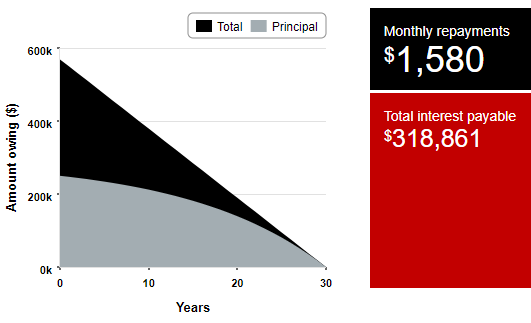
As home prices continue to rise and affordability remains a challenge for many buyers, new ideas occasionally surface in the mortgage world. One proposal that’s been getting attention is the 50-year fixed mortgage – a loan with an extended term aimed at reducing monthly payments even further than today’s standard 30-year mortgage.
It’s not available today, but the discussion around it is growing. So what would a 50-year mortgage actually mean for consumers? And would it help or hurt homebuyers in the long run?
Let’s break it down.
What Is a 50-Year Fixed Mortgage?
A 50-year mortgage works just like a 30-year fixed loan: your interest rate is locked in, and your payment stays the same over the life of the loan. The only difference is that it lasts 20 years longer.
By stretching repayment over a longer period, your monthly payment becomes smaller.
Potential Upsides of a 50-Year Mortgage
- Lower Monthly Payments
This is the biggest selling point.
Extending a mortgage over 50 years spreads the principal out over a longer timeline, which reduces the monthly payment. For first time buyers or those in high-priced markets, this could be the difference between renting and owning.
- Improved Debt-to-Income (DTI) Ratios
Because the payment is lower, borrowers will qualify more easily under lender DTI requirements. This could expand access to homeownership for buyers who are strong candidates financially but squeezed by today’s prices.
- Payment Stability
Unlike adjustable-rate mortgages, a 50 Year Fixed mortgage would still provide the security of predictable payments for decades, even as rates fluctuate.
- More Cash Flow Flexibility
Lower payments free up room in the budget for:
- Savings
- Retirement contributions
- Emergencies
- Other financial goals
For some borrowers, payment flexibility is more valuable than paying the home off sooner.
Downsides to Consider
- Much Higher Total Interest Costs
This is the biggest drawback. A longer loan term means interest accrues over a much longer period, and you pay significantly more over the life of the loan – often hundreds of thousands more compared to a 30-year.
For many borrowers, that long-term cost outweighs the benefit of a lower monthly payment.
- Very Slow Equity Build-Up
In the early years of any mortgage, a large portion of the payment goes toward interest. With a 50-year term, that effect stretches out even more.
This means:
- It takes longer to build equity
- You’ll have a slower path to refinance without bringing money in
- You may see little principal reduction for a long time
- Risk of Staying “Upside Down” Longer
Because equity builds so slowly, homeowners could be more vulnerable if home values decline. A sudden market drop could leave some borrowers owing more than their home is worth.
- Potential to Inflate Home Prices
If lower payments suddenly become available to everyone through a 50-year product, some experts worry it could actually push home prices higher, making affordability worse, not better as proposed.
- Extended Financial Commitment
A 50-year mortgage lasts longer than most people stay in a home — or even in a career. It also reduces flexibility for:
- Downsizing
- Upgrading
- Selling during market dips
You may refinance or move long before that, but the extended term sets a long financial horizon.
So… Would a 50-Year Mortgage Be Good for Consumers?
It depends on the buyer.
For some, the lower monthly payment could make homeownership achievable for the first time. For others, the long-term cost and slow equity growth may not be worth it.
In general:
- Great for: Buyers needing payment relief, high-cost market buyers, people prioritizing cash flow
- Less great for: Buyers focused on long-term wealth-building, investors, or those planning to stay in the home for decades
Final Thoughts
A 50-year fixed mortgage is an interesting idea – one that could increase affordability for some borrowers but comes with significant trade-offs. Whether it’s right for you would ultimately depend on financial goals, time horizon, and the broader housing market. What do you think?